My rhythm space.
🏃 Run the pulse.
🎸 Ride the groove.
❤️ Sharing the joy of running, rhythm guitar, and faith—one step,
one riff at a time.
rhythmreyn-egade-shop.forthwall.com
Antimicrobial Susceptibility Testing
Antimicrobial susceptibility test is an experimental method to detect the sensitivity of test bacteria to antimicrobial drugs. Antimicrobial susceptibility test is mainly used to detect whether antimicrobial drugs have an inhibitory effect on pathogenic microorganisms in vitro. And then this can be used clinically to guide the selection of therapeutic drugs and to understand the changes in the resistance of common pathogens in the region. Knowledge of antibiotics that are sensitive to bacteria can transform the choice of antibiotics from empirical therapy to targeted therapy.
Cell Structure Imaging Analysis
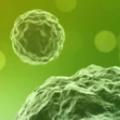
Cell is the smallest unit of organism, which mainly includes cell membrane, cytoplasm, Golgi apparatus, ribosome, lysosome and so on. The structure of the cell is complex and exquisite and the various structures are coordinated with each other, so that life activities can be self-regulated and carried out in a highly orderly manner in a changing environment. Biomedicine and drug research usually rely on the quantitative analysis of cell structure, and live cell imaging is an effective method for cell structure analysis.
CD BioSciences is a biotechnology company with a high-resolution 3D bioprinting technology platform dedicated to providing bioink products and its customization services. CD BioSciences can offer the following two types of protein-based 3D bioprinting bioinks for you to choose from.
Collagen is the most abundant and widely distributed functional protein in mammals, accounting for 25 % to 30 % of total protein. Collagen is a natural protein of the muscle, which has greater affinity for protein molecules on the skin surface, weaker antigenicity, good biocompatibility and biodegradation safety. Therefore collagen has gained wide application in food, medicine, tissue engineering, cosmetics and other fields.
Fibronectin is a large extracellular membrane protein found on the surface of many animal cells and is the major non-collagenous glycoprotein in the extracellular matrix and basement membrane. It plays a central role in cell adhesion and regulates cell polarity, differentiation and growth. As a matrix factor with important biological functions, fibronectin plays an important role in all stages of trauma repair.