#letstalkaddiction
Relapse and overdose has risen exponentially since the start of the pandemic. Its no surprise, really, when we consider what addiction really is: a coping mechanism one adopts to o... View More#letstalkaddiction
Relapse and overdose has risen exponentially since the start of the pandemic. Its no surprise, really, when we consider what addiction really is: a coping mechanism one adopts to overcome pain and adversity. Lockdowns and social distancing pose a dilemma for those struggling with addiction and mental health concerns as it serves up things that are direct triggers for relapse: isolation, loss of employment, extended poverty, hopelessness, helplessness, fear, anxiety, depression, boredom, loss of connections with support networks...just to name a few. There are ways to overcome and work through triggers, however.
* Know your triggers
* Reach out for support
* Engage in healthy coping skills such as Journaling, meditating, healthy hobbies, exercise, acts of service.
* Breath through the trigger and "ride the wave"
* Acknowledge you are experiencing a craving. This isn't "good" or "bad" so resist the urge to judge it as such. Cravings are a normal part of the recovery process, no matter where you are in your recovery.
* Be gentle with yourself. Addiction is like driving a 4x4 on a wet muddy road and trying to avoid ruts after the mud is dried. These neuropathways are hard-wired in your subconscious much like defense mechanisms and it can take time to habituate a healthier way of being.
* Think of addiction as a friend (i know this sounds crazy, but stay with me). A friend whose been there through the good and the bad...a friend who helped you survive. Now when this friend senses you're struggling again, its only natural for it to show up and offer respite. Sit with this friend. Thank it. Honor it for its role in your life. Let the friend know that that way is no longer necessary because you've learned new, healthy ways to cope with life's difficulties. This gives both you and the addiction the opportunity for closure.
Recovery doesn't have to be a scary or lonely process. If you honor that part of your life for doing what you knew with the resources you had, guilt and shame won't need to make their cameo.
* Check in with yourself daily. Check in with your emotions. Are there any that need attention? What's their message?
* Remember, the craving will pass. Be curious with it. This may be an opportunity to discover something new about yourself.
* Know that you are worthy. You are loveable. You are significant. You are important. This too shall pass and your light is needed on this planet.
#letstalkemotions
Whew! What a time to be alive! We are experiencing some very historical events that are most definitely eliciting some pretty heavy emotions. Here are some tips for moving through t... View More#letstalkemotions
Whew! What a time to be alive! We are experiencing some very historical events that are most definitely eliciting some pretty heavy emotions. Here are some tips for moving through those uncomfortable times.
*Emotions just are. When we judge them as good or bad, right or wrong, we take away the permission to feel.
*All emotions are just visitors. Even the comfortable and desirable emotions. When an emotion comes to visit, acknowledge it and allow it to deliver its message. Even the messages we might not want to hear.
*You are not the emotion. You are not "sad." You are not "happy." You simply feel those things. You are much more than your emotions.
*Allow yourself to feel. When we ignore our emotions, they are soon followed by secondary emotions. These emotions are louder and often don't deliver the intended message.
*Be gentle with yourself. You are human and allowed to experience your emotions. These are unprecedented times. Of course you will feel.
Its only human.
I dont like the term "maladaptive." It implies that the mechanisms one adopts for survival are "wrong" and inconsistent with the consensus reality. THAT in itself is a skewed and dangerous ideology. L... View MoreI dont like the term "maladaptive." It implies that the mechanisms one adopts for survival are "wrong" and inconsistent with the consensus reality. THAT in itself is a skewed and dangerous ideology. Let me tell you a secret; we ALL have the beliefs depicted in the below info graphics. When we are aware of them, they can fuel us. When we choose to give them power and allow them to narrate our reality, they can stunt us. Many practitioners would tell us we have "distortions" to overcome, but do we really? Or do we have a sense of self that needs compassion and a reminder of experiences that challenge beliefs that have outlived their necessity?
We play all kinds of roles in our lives. More than likely, you were placed in your role at a very young age by someone who needed you to play that role so they could fulfill their own prophecies. Over... View MoreWe play all kinds of roles in our lives. More than likely, you were placed in your role at a very young age by someone who needed you to play that role so they could fulfill their own prophecies. Over time, and with practice, you learned very well how to play that part...maybe even trying out the other parts to see which felt best or reaped the greatest rewards. As you learned this role, you also learned to seek out those in the other roles to ensure your roles success. Do you seem to attract "abusive" or "destructive" people? It's likely you've found comfort in the role of victim or rescuer. Because this is the role you know, you need the persecutor or even another victim to help you feel "normal" and will actually seek them out. Why would anyone seek out someone who would hurt or take advantage of them? Because that is literally their comfort zone. Would you know how to accept a healthy relationship with love, compassion, and equality if you'd never known anything but persecution and pain? Absolutely not! You would reject it much like a sour stomach would reject food. The discomfort alone is maddening.
3 naturally occurring chemicals in your body, and they are responsible for so many processes to run smoothly. It is essential these chemicals remain stable but it is possible they can run low over tim... View More3 naturally occurring chemicals in your body, and they are responsible for so many processes to run smoothly. It is essential these chemicals remain stable but it is possible they can run low over time or their attention becomes focused elsewhere (think leaky gut). When that happens, we experience fatigue, loss of focus, loss of motivation...the list goes on. Diet, exercise, and meditation can help boost these receptors in the body, facilitating a healthy flow of these chemicals.
Anxiety, depression, trauma...they all come with narratives that take up too much space in our heads. How do you restructure your cognitions??
We can't ignore COVID-19's impact on youth mental health
Young Americans are increasingly battling COVID-19 while experiencing social isolation, loss of connections, loneliness and mental illness in record numbers.
"I'm not worthy and that means I dont deserve ____________"
Is this a story you tell yourself? Do you have difficulty accepting good and positive things in your life due to undervaulation of self? Do... View More"I'm not worthy and that means I dont deserve ____________"
Is this a story you tell yourself? Do you have difficulty accepting good and positive things in your life due to undervaulation of self? Do you struggle with compliments? Are you constantly finding yourself in toxic relationships and wondering "why do I attract such toxic people?"
Have you convinced yourself its easier to show compassion for others than it is yourself? These symptoms, and many more, all belong to the worthiness wound. Some time in your life - likely your formative years - something happened that caused that narrative to play on repeat in your mind. It will continue to show up in the unlikeliest of places, and quite inconveniently, take over many aspects of your life; from relationships to jobs, this wound causes us to self-sabotage on a constant basis. It isn't until you are able to identify this story and the role it plays in your life that you will begin to heal and allow yourself the goodness that is your natural birthright.
What are your stories? ?
How do they inform your thought, moods, and behaviors?
There are nearly 200 studies on psychosis and psychotic disorders and prevelance of treatment. Only 19 of those studies include data from other countries. Even fewer include spiritual data or a deeper... View MoreThere are nearly 200 studies on psychosis and psychotic disorders and prevelance of treatment. Only 19 of those studies include data from other countries. Even fewer include spiritual data or a deeper look into cultural variables.
In the mid-twentieth century, Dr, Stanislav Grof - a Czechoslavakian Psychiatrist - and his wife, Christina, found among their patients an interesting occurrence. By providing a different modality which involved deep breath work, spiritual guidance, and a safe environment with trained practitioners, their patients were overcoming incidents of psychosis without the aid of pharmaceuticals. Dr. Grof determined many of his patients experiencing a mental health emergency were, in fact,, experiencing a spiritual emergency instead. Dr. Grof developed holotropic breath work and brought to life the Spiritual Emergence Network where he's trained practitioners in the Transpersonal Method of treatment for spiritual emergencies.
What if? What if we took a different approach to treating individuals? What if we were more collaborative? More holistic? Less reliant on an outdated model that only incorporated one part of our being?
Practitioners can be found at
http://www.spiritualemergence.org/
The information in this post or any post by Off The Beaten Couch should not be taken as mental health advice, care, or treatment. If you are experiencing a mental health crisis, please reach out to a professional in your area or dial 911.
https://youtu.be/CFtsHf1lVI4
Spiritual Emergence Network
Spiritual Emergence Emergency Crisis Transpersonal Grof psychospiritual mental health referral support service help resources kundalini NDE Shamanism religious
Allowing your children to express emotions and teaching them effective ways to identify emotions builds resilience. Trauma happens when a stressor takes us outside our window of tolerance and the emot... View MoreAllowing your children to express emotions and teaching them effective ways to identify emotions builds resilience. Trauma happens when a stressor takes us outside our window of tolerance and the emotional energy is thwarted from completion. Assisting your child with healthy emotional development not only widens that window but lessens the chances a traumatic incident will have lasting effects.
Resiliency is a muscle. It takes diligence and hard work to maintain the tone in that muscle. Resiliency helps us overcome stressors and traumas that might have been utterly debilitating with a lesser... View MoreResiliency is a muscle. It takes diligence and hard work to maintain the tone in that muscle. Resiliency helps us overcome stressors and traumas that might have been utterly debilitating with a lesser developed resiliency muscle. Here are some ways you can develop a wider window of tolerance.
Emotions are messengers. Plain and simple. They come to deliver messages that are important and we mustn't ignore. The feeling can be one thats welcome or we may have an aversion to certain emotions t... View MoreEmotions are messengers. Plain and simple. They come to deliver messages that are important and we mustn't ignore. The feeling can be one thats welcome or we may have an aversion to certain emotions that are less comfortable or desired. The important thing is not to attach to any emotion or identify ourselves as being that emotion.
There are definitive steps to how trauma occurs and traumatic energy asserts itself in our bodies. Outward presenters of unexpected traumatic energy can present itself in a myriad of ways. What are so... View MoreThere are definitive steps to how trauma occurs and traumatic energy asserts itself in our bodies. Outward presenters of unexpected traumatic energy can present itself in a myriad of ways. What are some you've experienced?
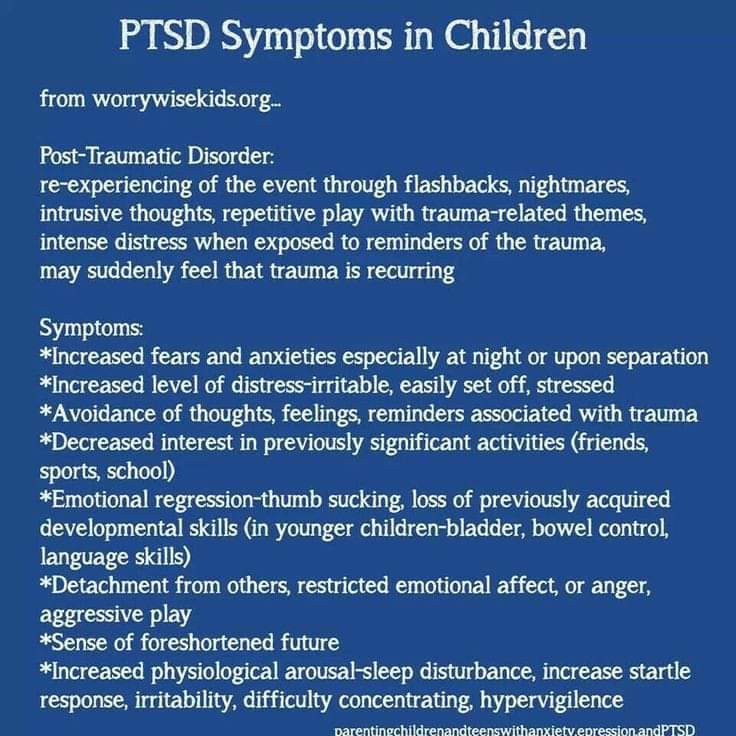
Trauma in children is often misdiagnosed and looks a lot like ADHD. Children may not have the ability to communicate experiences with us simply because they, themselves, cannot articulate those experi... View MoreTrauma in children is often misdiagnosed and looks a lot like ADHD. Children may not have the ability to communicate experiences with us simply because they, themselves, cannot articulate those experiences. Trauma symptoms can also look like: excessive fidgeting, hypervigilance, inability to focus or "stay on task," and aggression with adults.
If you have concerns about your child's behavior or you see sudden changes in your child, reach out to a mental health care provider.
page=1&callback_module_id=pages&callback_item_id=4489&year=&month=
Load More