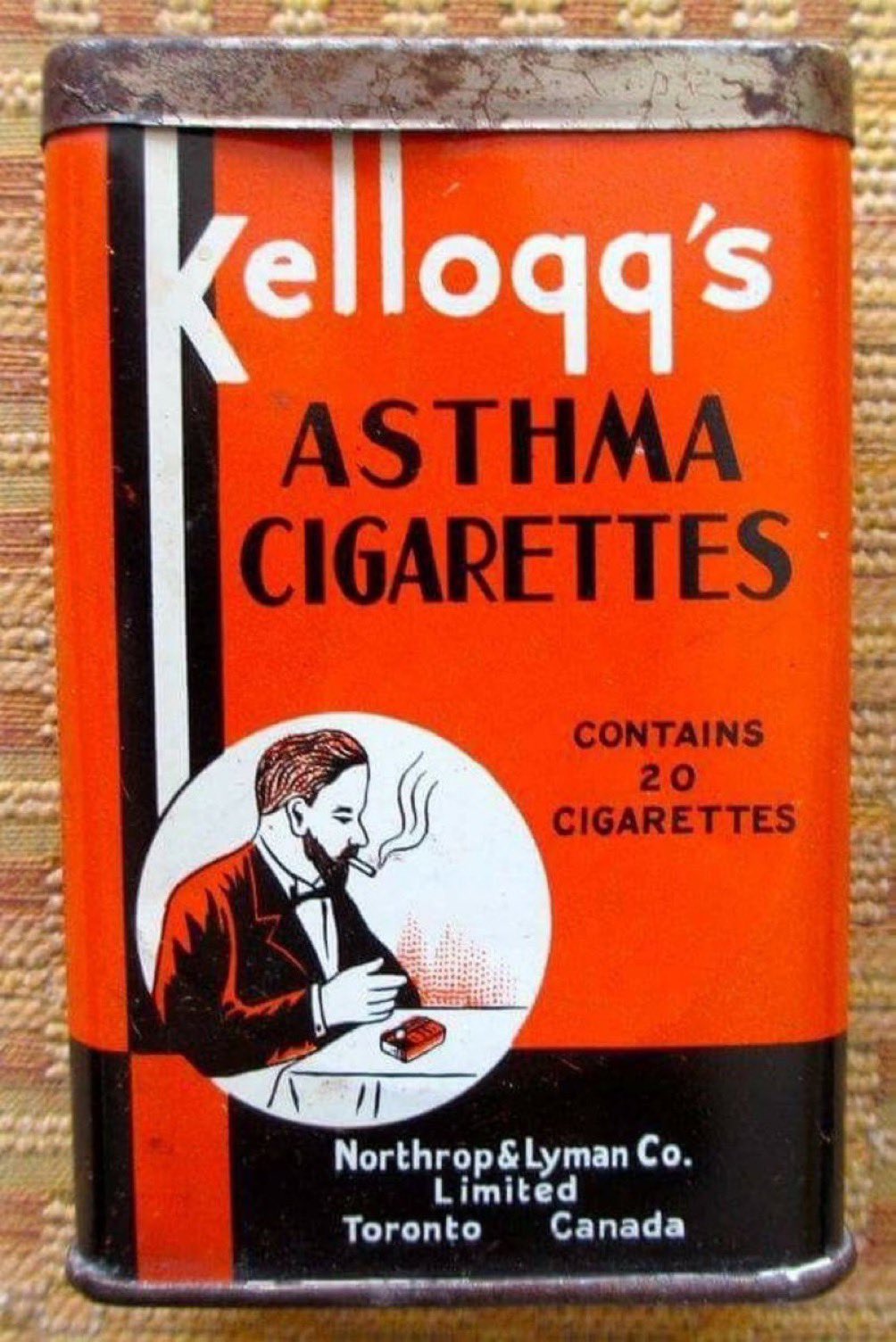
In 1952, amidst concerns linking smoking to cancer, Kent cigarettes introduced an asbestos filter as a measure to safeguard its smokers. With each inhalation, asbestos fibers from the filter made their way into the lungs of smokers.
The Micronite filters used in Kent cigarettes from 1952 to 1956 were made of crocidolite asbestos, also known as blue asbestos. This type of asbestos is considered one of the most dangerous due to its fine, sharp fibers that are particularly easy to inhale. A study in 1995 attempted to quantify the exposure one would experience by smoking a Kent cigarette. It was found that one filter contained approximately 10 mg of crocidolite. At the observed rates of asbestos release, a person smoking a pack of these cigarettes each day would inhale more than 131 million crocidolite structures longer than 5 microns in a year.
The Lorillard Tobacco Company, which marketed Kent cigarettes, was acquired by the owner of Camel and Newport cigarettes, Reynolds American Inc., in 2014. Since then, the new owners have paid out $42.3 million in settlements to resolve 165 asbestos filter cases. This highlights the significant health risks and legal implications associated with the use of asbestos in cigarette filters.
Direct exposure to crocidolite asbestos occurred when smokers inhaled Kent Micronite cigarettes, increasing the risk of developing diseases such as mesothelioma, lung cancer, and asbestosis. The asbestos fibers traveled from the filter into smokers’ lungs with every inhale. Crocidolite asbestos in Kent Micronite cigarettes is known to cause lung cancer, mesothelioma, laryngeal cancer, ovarian cancer, and asbestosis. Inhaling asbestos also multiplies a smoker’s risk of developing lung cancer fiftyfold or greater.
In Album: Jimmy's Timeline Photos
Dimension:
1024 x 934
File Size:
99.21 Kb


Be the first person to like this.
Jimmy
Unbelievable