

How to INCREASE Nitric Oxide In the Body & Kill VIRUSES! The Alzheimer's Cure? | Dr. Nathan Bryan
78,644 views Aug 11, 2025 Ever Forward Radio with Chase Chewning
Nitric oxide might be the most impo... View More
How to INCREASE Nitric Oxide In the Body & Kill VIRUSES! The Alzheimer's Cure? | Dr. Nathan Bryan
20 views
Nitric oxide might be the most important molecule you’ve never heard of. In this episode, molecular medicine pioneer Dr. Nathan Bryan reveals how this fleeting gas controls blood flow, brain health, immune defense, and even sexual function. We cover the science of nitric oxide, how lifestyle choices impact its production, and why it could hold the key to preventing age-related diseases like Alzheimer’s. You’ll learn simple daily strategies to boost your nitric oxide naturally—without falling for supplement marketing gimmicks.
► FREE sample pack of MitoPure gummies at https://www.timeline.com/everforwardsample
► Follow me on Instagram https://www.instagram.com/chase_chewning and Nathan https://www.instagram.com/drnathansbryan
-----
00:00 – Introduction & Why Nitric Oxide is the “First Domino” in Health
02:10 – What Nitric Oxide Is and Why It Matters
05:05 – Blood Flow, Sexual Function, and Cognitive Performance
06:29 – The Link Between Nitric Oxide Deficiency and Chronic Disease
08:46 – Symptoms of Low Nitric Oxide: Sexual Dysfunction, High Blood Pressure, Metabolic Issues
11:34 – Nitric Oxide and Insulin Resistance
14:04 – How the American Lifestyle Shuts Down Nitric Oxide Production
17:13 – Performance, Recovery, and Longevity Benefits
21:11 – Cardiovascular Health, Alzheimer’s, and Nitric Oxide
23:07 – How the Body Produces Nitric Oxide (and Common Myths)
27:44 – The Truth About L-Arginine, L-Citrulline, and Beetroot Supplements
31:05 – Two Simple Rules for Boosting Nitric Oxide
32:45 – Nasal Breathing, Humming, and Mouth Taping for Better NO Production
38:34 – Oral Microbiome Health and Nitric Oxide
41:50 – The Hidden Danger of Antacids and PPIs
46:40 – Best Foods and Vegetables for Nitric Oxide (and Why Location Matters)
49:56 – Can You Overdose on Nitric Oxide?
51:32 – The Nitrate/Nitrite Myth in Processed Meats
55:16 – Breakthroughs in Nitric Oxide Research
57:39 – Nitric Oxide as a Hormone and Dr. Bryan’s Protocol
01:03:27 – Cold Plunge, Sauna, and Longevity Practices
01:06:30 – The Mindset for Living “Ever Forward”
01:08:51 – ALS, Root Causes, and Nitric Oxide’s Role


Be the first person to like this.
Why You’ve Never Heard of The Mayo Clinic’s “Raw Milk Cure”
In the early 1900s, Mayo Clinic doctors were CURING thousands of patients of just about every disease under the sun with just one simple med... View More
Farmer Flips for Raw Milk - Real Milk
The Story of Jeff Biddle By Sylvia Onusic It is near milking time at Bear Meadows Farm near Boalsburg, just under the Tussey Mountain in central […]
These 5 Biblical Superfoods Melt Clogged Arteries (Doctors Won't Tell You)
504,338 views Oct 10, 2026
Much more information in the narrative BELOW THE VIDEO on YouTube.
https://www.youtube.com/watc... View More
These 5 Biblical Superfoods Melt Clogged Arteries (Doctors Won't Tell You)
6 views
• Unclog arteries & protect your heart naturally with my FREE guide (The Heart & Vascular Blueprint): https://heartvascular-blueprint.subscribepage.io/
• Omega 3s/Fish Oil: https://lvnta.com/lv_YBql4EsnORZUIL2GT0
• Sign up for my Weekly Newsletter (The Weekly Checkup): https://theweeklycheckup.substack.com/about
Helpful Supplements:
• Blood Pressure (Magnesium Glycinate: https://lvnta.com/lv_S9pyiPbNKdchgstebB
• Blood Pressure (Potassium): https://lvnta.com/lv_bfzVOshmBIVPdZ4mqm
• Blood Pressure & Others (Vitamin D3+:K2): https://lvnta.com/lv_4KrKhHspWIE0lLpQoy
• Blood Sugar (Berberine): https://lvnta.com/lv_dkzhQV7GPhVSZFYIa4
• Blood Sugar (Apple Cider Vinegar): https://lvnta.com/lv_8Q6h4bCUhFUZ7aevz8
• Brain Health (Matcha Green Tea): https://lvnta.com/lv_ya76CbVj6jXsuLPjvX
• Heart & Vascular (CoQ10/Ubiquinol): https://lvnta.com/lv_5BTdKCbQyln9VFCAxv
• Liver Support (Milk Thistle): https://lvnta.com/lv_UmmWIufcChe0kCMwvB
• Longevity (Creatine): https://lvnta.com/lv_njTJbQUtK3IigOMr3y
• Metabolic Health (Black Garlic): https://lvnta.com/lv_jAhb8m50Isba4NaXjz
Thousands of years before a single cardiologist ever existed, five extremely common foods sat on the tables of nearly every family in the Ancient Near East. All of them are named throughout Scripture, and modern science has since found that these five foods help protect your arteries and your heart.
Today I walk you through each of these 5 foods and why they matter for your arteries and heart.
You’ll learn:
✔️ The Scripture staple behind one of the most studied heart foods in history
✔️ The humble meal Esau traded his birthright for, and why researchers love it
✔️ The fruit stitched into the priestly garments and what it may do inside your artery walls
✔️ The food at the center of the loaves and fishes miracle, and its surprising effect on plaque
✔️ The sweet snack from the land of milk and honey, and how to eat it smartly
✔️ How these foods were eaten together, and why the pattern matters more than any single food
Dr. Mitch Rice, DO (Doctor Mitch) is a board certified family medicine physician focused on helping adults reverse insulin resistance, slow aging, and protect the organs that matter most.
⏩ Video Time Stamps:
0:00 Start Here
0:36 Food #1
2:17 Food #2
4:28 Food #3
6:36 Food #4
8:18 Food #5
9:43 The Real Connection
💬 “So whether you eat or drink, or whatever you do, do all to the glory of God.”
— 1 Corinthians 10 v31
——————————————————————
COMING SOON
• Join the waitlist to have Dr. Mitch Rice as your PERSONAL doctor with 24/7 messaging, same-day answers, no waiting rooms: https://forms.gle/Eu4izGZ5Mt7gCDXe9
——————————————————————
For business inquiries & sponsorships: drmitchrice@gmail.com
——————————————————————
CONNECT WITH ME:
📸 Instagram: https://www.instagram.com/drmitchricedo
🎥 TikTok: https://www.tiktok.com/@drmitchricedo
——————————————————————
REFERENCES:
Olive oil intake and risk of cardiovascular disease and mortality in the PREDIMED Study
https://www.ncbi.nlm.nih.gov/pmc/articles/PMC4030221/
Vasculoprotective role of olive oil compounds via modulation of oxidative stress in atherosclerosis
https://www.ncbi.nlm.nih.gov/pmc/articles/PMC6308304/
Intake of legumes and cardiovascular disease: a systematic review and dose response meta analysis
https://www.nmcd-journal.com/article/S0939-4753(22)00418-5/fulltext
Decreased consumption of dried mature beans is positively associated with urbanization and nonfatal acute myocardial infarction
https://pubmed.ncbi.nlm.nih.gov/15987863/
Pomegranate juice consumption for 3 years by patients with carotid artery stenosis reduces common carotid intima media thickness, blood pressure and LDL oxidation
https://www.clinicalnutritionjournal.com/article/S0261-5614(03)00213-9/abstract
The role of punicalagin and its metabolites in atherosclerosis and risk factors associated with the disease
https://www.ncbi.nlm.nih.gov/pmc/articles/PMC10218101/
Association of n-3 polyunsaturated fatty acids with stability of atherosclerotic plaques: a randomised controlled trial
https://pubmed.ncbi.nlm.nih.gov/12583947/
Seafood long chain n-3 polyunsaturated fatty acids and cardiovascular disease: a science advisory from the American Heart Association
https://pubmed.ncbi.nlm.nih.gov/29773586/
Date palm...
https://www.ncbi.nlm.nih.gov/pmc/articles/PMC8125345/
——————————————————————
The information provided in this video is for educational and informational purposes only and is not intended as a substitute for professional medical advice, diagnosis, or treatment. Always consult your physician or qualified healthcare provider with any questions you may have regarding a medical condition. Never disregard professional medical advice or delay seeking it because of something you heard or saw here.
*Some of the links above may be affiliate links, which means I may earn a small commission if you choose to purchase through them at no extra cost to you. I only recommend products I trust and use with my own patients.
Night time sweating is caused (in men) by low testosterone levels, which are in turn a result of low Niacin and vitamin B Complex vitamins.
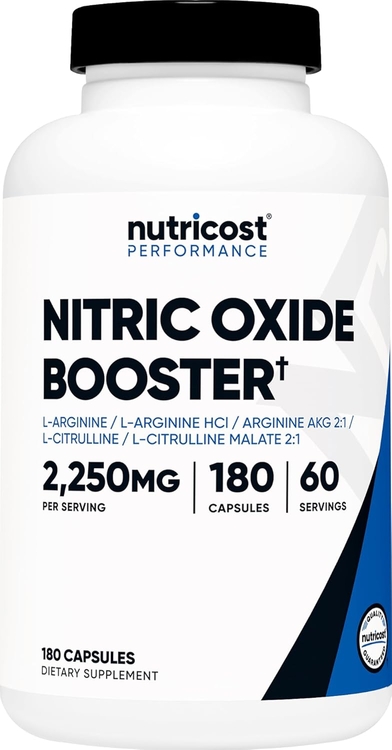
Nutricost Nitric Oxide Booster 2250mg, 180 Capsules, Gluten... View More
I Mixed Castor Oil and DMSO for Neuropathy – Did It Help?
539,738 views Jun 27, 2025 ✪ Members first on June 27, 2025
I tested castor oil and DMSO for neuropathy relief over 6 months—here’s what ha... View More
I Mixed Castor Oil and DMSO for Neuropathy – Did It Help?
10 views
I tested castor oil and DMSO for neuropathy relief over 6 months—here’s what happened.
📅 Book a consultation with Danielle Minetti BSN: https://www.lucidmedhub.com
This video shares exactly what happened, how I applied the castor oil DMSO mixture for nerve pain, and whether it made any real difference in neuropathy relief.
If you’re exploring natural remedies, peripheral neuropathy treatment options, or alternative ways to manage chronic nerve pain, this experience might help you decide if this approach is worth trying.
PRODUCTS IN THIS VIDEO:
Maggie's Organic Cotton Socks: https://amzn.to/3ThSZf4
99.9% DMSO: https://amzn.to/444NXc3
Water Test Kit: https://amzn.to/444NXc3
Seven Minerals Castor Oil: https://amzn.to/463WOfF
Organic Glass Jars: https://amzn.to/4etyyWj
Distilled Water: https://amzn.to/3TLnKsZ
Book: Healing with DMSO: https://amzn.to/4nppHsE
About this channel 👇
Health education simplified! Danielle Minetti RN simplifies chronic disease and its treatments and looks behind the scenes at how medical professionals think and operate.
All the info you'll find here will be evidence based, easy to understand, and served up with a laugh or 2.
Welcome to Lucid Med
Missed earlier videos on neuropathy? Catch up here 👉https://youtube.com/playlist?list=PL8VVngHCfxXoNbn-xZo08pb-h7Mb6alIv&si=CdPA2bQUnA7t8nVF
💡Join the members only community here 👇https://www.youtube.com/@lucidmed3343/membership
Get Exclusive Access To:
🩺Behind-the-scenes access
🩺Regular shout-outs for members during videos and LIVE streams
🩺Real-time Q&A with Danielle and exclusive health insights
🩺Priority reply to comments
🩺Exclusive monthly LIVE for members only
🩺Members only community
💡What's in this video:
00:00 Introduction
01:06 What is DMSO?
04:28 Benefits of DMSO
05:21 Castor Oil
05:39 What is Peripheral Neuropathy?
06:23 DMSO Cautions
08:46 DMSO in Vetrinary Care
09:50 Storage of DMSO Mixture
10:47 DMSO/Castor Oil Mixture
15:22 Recommended frequency
15:48 DMSO and medications
16:16 Side Effects of DMSO
💡 Shop all of my LUCID MED products here 👇
👉 https://www.youtube.com/@lucidmed3343/store
👉 https://lucid-med.myspreadshop.com/
SEVEN MINERALS CASTOR OIL 👉 https://amzn.to/40uKthn
PRODUCTS I USE FOR PN: 👇
Alpha Lipoic Acid Supplement: https://amzn.to/4f4K9vC
Yoga Strap (multi loop): https://amzn.to/4yhOTqx
Drive Medical RTL10266 Nitro Rollator: https://amzn.to/4eUOkvf
Osito Circulation System/Dual TENS Unit: https://amzn.to/4f7jxKu
Blue Emu Topical Lidocaine: https://amzn.to/4aIPqrt
NeuroZen Neuropathy Support Formula: https://amzn.to/4vp3oWW
B Complex (Methylated): https://amzn.to/4wGn8GI
Acetyl L Carnitine Powder: https://amzn.to/4wzsiE2
Nature Wise Curcumin/Tumeric: https://amzn.to/4gt6iWQ
Acetyl L Cysteine: https://amzn.to/4vkB0W1
Viewer recommended walker:
The UpWalker https://amzn.to/4bEGnIn
VIBRATION PLATE: https://amzn.to/4vonpgg
ICE ROLLER BALL: https://amzn.to/4vngfsw
SPIKE BALLS/DESENSITIZATION: https://amzn.to/3R3dMFO
CUSHIONED FLOOR MAT: https://amzn.to/4gt6zck
------------------------------------------------------- ------------------------------------------
💡SUPPORT THE CHANNEL:
/ lucidmed (it's fun/lot's of extras)
Let's Connect!
Instagram
instagram.com/lucidmed
Become a Patreon
patreon.com/LucidMed
TikTok
tiktok.com/@lucidmed?lang=en
Facebook
facebook.com/lucidmed
💡Subscribe to my channel for more:
https://www.youtube.com/channel/UCLacRqr3EMIuY50eTMObz0g?sub_confirmation=1
SUGGEST A TOPIC/SPEAKING INQUIRES 👉 danielle@lucid-med.com
DISCLAIMER:
This video and description may contain affiliate links, which means that if you click on one of the product links, I will receive a small commission from any purchase at no additional cost to you. This helps support the channel and allows me to continue making videos. Thank you for the support!
I am not paid by any companies to review or sell products, all views are my own. However, as an Amazon Associate I earn from qualifying purchases.
To the best of my knowledge, any video content you view on this channel is correct at the time of filming and conducted entirely from genuine experiences when using the products.
4 Months on Berberine: Reversing Arterial Plaque
331,230 views May 18, 2026
I tried this to lower my blood glucose as it relates to Type 2 Diabetes, but I had no idea this was also another fringe ben... View More
4 Months on Berberine: Reversing Arterial Plaque
6 views
*JOIN THE PHYSIONIC INSIDERS [PREMIUM CONTENT]*
Join the Physionic Insiders: https://bit.ly/PhysionicInsiders2
*HEALTH AUTONOMY [COURSE]*
Learn to Analyze & Apply Studies for Yourself: https://bit.ly/healthautonomy
*JOIN THE COMMUNITY*
Join my Community [It’s Free!]: https://bit.ly/PhysionicCommunity2
*EMAIL LIST*
1-2 Weekly Email of Value [It’s Free!]: http://bit.ly/2AXIzK6
*HIRE ME FOR CONSULTING:*
Consulting: https://bit.ly/3dmUl2H
Created with Biorender
0:00 - Introduction
1:14 - A Solid 13 Studies, Right?
5:14 - A Failed Study holds a Clue
7:40 - Berberine on Plaque Reversing, Revisited
11:17 - Ever had these effects with Berberine?
References*
*Full Funding/Conflicts are provided in the free article (found in email list and Physionic Community Article Library)
[1] Zhu F, Chen L, Zhu J. Effects of berberine combined with atorvastatin on serum high-sensitivity C-reactive protein and adipocyte fatty acid-binding protein levels in patients with acute ischemic stroke. Chinese Journal of Contemporary Neurology and Neurosurgery. 2015;15(1). doi:10.3969/j.issn.1672-6731.2015.01.010.
[Study 235] Ma SR, Tong Q, Lin Y, et al. Berberine treats atherosclerosis via a vitamine-like effect down-regulating Choline-TMA-TMAO production pathway in gut microbiota. Signal Transduct Target Ther. 2022;7:207. doi:10.1038/s41392-022-01027-6
[Study 754] Lei L, Wang B, Zhao L, et al; for the BRAVO Collaborative Group. Berberine and adiposity in diabetes-free individuals with obesity and MASLD: a randomized clinical trial. JAMA Netw Open. 2026;9(1):e2554152. doi:10.1001/jamanetworkopen.2025.54152
[Study 755] Kong WJ, Wei J, Abidi P, et al. Berberine is a novel cholesterol-lowering drug working through a unique mechanism distinct from statins. Nat Med. 2004;10(12):1344-1351. doi:10.1038/nm1135
[Study 757] Zheng J, Wang T, Zhou Y, et al. Berberine ameliorates atherosclerosis by inhibiting the phenotypic transition of vascular smooth muscle cells via suppression of the JAK2/STAT3 signaling pathway. Eur J Pharmacol. 2025;1007:178234. doi:10.1016/j.ejphar.2025.178234
[Study 758] Derosa G, D'Angelo A, Bonaventura A, Bianchi L, Romano D, Maffioli P. Effects of berberine on lipid profile in subjects with low cardiovascular risk. Expert Opin Biol Ther. 2013;13(4):475-482. doi:10.1517/14712598.2013.776037
[Study 759] Yang L, Zhu W, Zhang X, Zhou X, Wu W, Shen T. Efficacy and safety of berberine for several cardiovascular diseases: a systematic review and meta-analysis of randomized controlled trials. Phytomedicine. 2023;112:154716. doi:10.1016/j.phymed.2023.154716
Please use the following link to submit your critique: https://bit.ly/PhysionicCritique
Disclaimer: None of the information provided by this brand is a replacement for your physician's advice. This brand is information for the sake of knowledge and the options of choice it provides, not in any way a personalized prescription. Please consult your physician before making any health related changes.