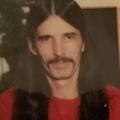
Mo-chi, was a Cheyenne Woman, also known as Buffalo Calf Women. She survived an attack by U.S. soldiers during the Sand Creek Massacre in 1864, and also the Washita River Massacre in 1868. On a bitter cold morning in the Colorado, life for the Cheyenne and Arapaho changed forever. Sunrise brought sounds of cannon fire, screams and mass confusion in their village at Sand Creek. Soldiers from the Colorado volunteer Cavalry lead by Colonel Chivington seemed to be coming at them from all directions. Most of the warriors were out hunting. Chivington a pastor, had given orders to shoot the men, women and children. The killing spree lasted until 3pm in the afternoon. As the sun set over the carnage, a 23-year-old Cheyenne woman named Mo-chi, emerged from the smoke and ashes. She was uninjured but stunned, as she walked among the less fortunate. The sight of her dead husband Standing Bull, filled her with grief. Then she saw her dead father and her grief turned to anger. She grabbed her father's rifle and vowed revenge. After darkness she ventured out of her hiding place and heard soldier laughing in the distance. The cold winter night chilled her as her frozen feet walked over the crusted snow. She came across other survivors and they made their way to the camp of some Cheyenne Dog Soldiers, where they were fed, clothed, and their wounds treated. They rested a few days before Dog Soldiers took them to a large Sioux camp. Anger over the massacre at Sand Creek spread like wildfire, and the traditional war pipe was sent out by runners. The chiefs held a council and concluded that war against the white man was the only way to honor their dead and save their homelands. Raids along the Platte River were made, including a massive raid on the town of Julesburg in northeastern Colorado. Survivors of Sand Creek had been left with nothing, and they needed food and blankets and other basic necessities. On January 7, 1865 about 1,000 warriors and many women including Mo-chi, were leading extra horses needed to carry supplies back. The Dog Soldier had a brilliant attack planned. They approached Camp Rankin and rushed the guards outside the fort walls. The soldiers returned fire, and then the fort gates opened. A force of about 40 mounted soldiers charged. The soldiers thought they were attacking a small war party. Their decoy worked and warriors hidden rushed into the fort and took what they needed before the soldiers knew what had happened. The women led by Mo-chi, arrived and loaded the goods onto the packhorses. Mo-chi and others freed the soldier's extra horses from the fort. Cheyenne warriors, including Medicine Water and his new partner Mo-chi, wreaked more havoc by raiding the overland stagecoach and destroyed some 70 miles of telegraph wire. The route to Denver was practically shut off. With no travel, communications or goods coming into the city, the citizens were isolated and hungry. Things did not look good for the people of Denver, and the United States was ready to negotiate for peace. The Medicine Lodge Treaty of 1867 required the Cheyenne to move to a smaller reservations in Indian Territory. One of the Dog Soldiers stepped up to the table, took out his knife and stuck it through the treaty papers and into the table, and left the knife there. Chief Black Kettle who survived the attack on his village at Sand Creek, was one of 14 Cheyenne Chiefs to sign the treaty. He settled his people on the banks of the Washita River in Oklahoma, but they never received the promised provisions. Cheyenne warrior Roman Nose ignored the treaty and continued to create havoc. General William Tecumseh Sherman, ironically named after Shawnee Chief Tecumseh, believed that these “hostiles” needed to be punished and forced onto the reservations. Roman Nose struck back furiously, and they slowed all travel across western Kansas. Medicine Water and Mo-chi were wed in the Cheyenne way, were not seriously hurt in any of the battles they were in. In the days that followed, Medicine Water and Mo-chi rode together as warriors and continued to fight for their way of life. At dawn on a frigid snowy day, November 27, 1868, Lt. Col. George A. Custer and 700 men of the 7th Cavalry attacked Chief Black Kettle’s peaceful village in Oklahoma. Mo-chi was horrified as she watched her village attacked, reliving her memories of Sand Creek, just four years earlier almost to the day. Custer’s attack on the village was unprovoked, and the troops cut down many Indians as they fled their tepees. Around 200 elders, women and children were murdered. The freezing river banks were covered with dead bodies. Custer burned the tepees and shot 800 ponies in the head. Custer did not have orders to attack. Black Kettle's tribe were peacefully living on the land assigned them in the treaty. Medicine Water and Mo-chi struggled to protect their children through the horrifying attack. At one point, a bullet struck their oldest child named Measure Woman, who was not even 5 years old, was shot in the hip. Mo-chi was able to get her and the others out of further danger with the help of a family friend, Red Bird. The young warrior held soldiers off the best he could firing until return fire finally brought him down.Members of Red Bird’s family returned to the site after the troops departed and wrapped his body in a sacred robe giving him a warrior’s burial on a wooden scaffold. Chief Black Kettle did not survive both attacks at Sand Creek in 1864, and the one on the Washita in 68, but Mo-chi did. Her invisible scars however had deepened. She wanted vengeance more than ever. Although she had accompanied her husband into battle before, she now saw herself as a Cheyenne warrior. Mo-chi continued to ride by her husband’s side. In the aftermath of the Battle at Washita. Medicine Water had become chief of the Bowstrings, and like his wife had vowed to avenge the slaughter of their people. Medicine Water engaged the buffalo-hide hunters in battle to protect his homeland and the few remaining buffalo scattered across the Plains. After smoking the war pipe with Chief Quanah Parker of the Comanches, Medicine Water and his Bowstring warriors continued to wage war against the buffalo hide hunters. On June 27, 1874, Comanches, Kiowas and Southern Cheyennes gathered. Medicine Water and Mo-chi were part of the Cheyenne contingent. Among the men at the buffalo hunter hideout was a young man named Bat Masterson. He would go on to become famous as a lawmen and gambler. A wounded Quanah and the other attackers eventually withdrew, Medicine Water, Mo-chi and 30 other Indian prisoners were charged with a variety of crimes, including murder, kidnapping and illegal detention. They were not given a trial, but were loaded into rail cars and taken to St. Augustine, Fla., a six-week journey in chains and shackles. Mo-chi was the only female prisoner. They were held at Florida’s Fort Marion prison for three years and then were returned in 1878, to Fort Leavenworth in Kansas. Mo-chi was now very ill having contracted tuberculosis in prison while in Florida. This photo is of Mo-chi while in prison. She died in 1881 at the young age of 41. She was laid to rest along the Washita River with all the honors of a Cheyenne Warrior. Even though he had lost his wife warrior, Medicine Water lived another 45 years. He remained true to his people, serving with the Native American Church and working to educate tribal youth. Medicine Water died in 1926, at 90 years old. He was buried with all the honors of a head war chief of the Cheyenne Bowstring Warrior Society.
In Album: Nakoma Blackfeather's Timeline Photos
Dimension:
586 x 577
File Size:
20.18 Kb


Sad (4)
Loading...
Like (1)
Loading...
Wow (1)
Loading...
Dennis Huff
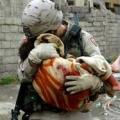
man can only be so cruel to man.no sides picked, no right or wrong, no faults assigned to any group, just man being cruel to other men.
3
3
3