In October 1846, inside a crowded surgical theater at Massachusetts General Hospital, medicine crossed a boundary it could never retreat from. Until that moment, surgery was an ordeal of terror—patients restrained, screams filling the room, speed valued over precision because pain was unavoidable.
Then William Thomas Green Morton introduced something radical: ether. Before a skeptical audience, Morton placed a glass inhaler over the face of a patient named Gilbert Abbott, who had a tumor on his neck. As the vapor took hold, Abbott slipped into a deep, motionless state. The surgeons began to cut—and for the first time, there were no screams, no convulsions, no desperate struggle.
The tumor was removed while the patient felt nothing. When Abbott awoke, he reportedly said it felt only “as if his neck had been scratched.” Silence fell, followed by awe. Pain—long thought inseparable from surgery—had been conquered.
This moment, remembered as Ether Day, marked the birth of modern anesthesia. Surgery was no longer a test of endurance but became a science of precision and survival. Longer and more complex operations became possible, mortality rates dropped, and entire medical fields advanced—all because patients no longer had to be awake.
Every painless surgery today traces its roots back to that quiet theater in 1846, when humanity learned that pain was not destiny—and healing could finally begin without suffering.
© Reddit
#drthehistories
In Album: Jimmy's Timeline Photos
Dimension:
640 x 570
File Size:
30.54 Kb


Like (1)
Loading...
Jimmy
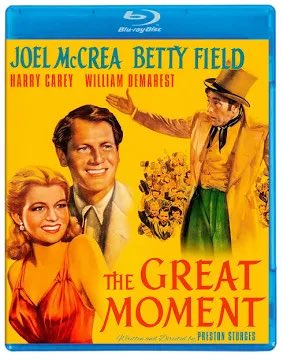
They made a decent film about this in 1944. The Great Moment, starring Joel McCrae.