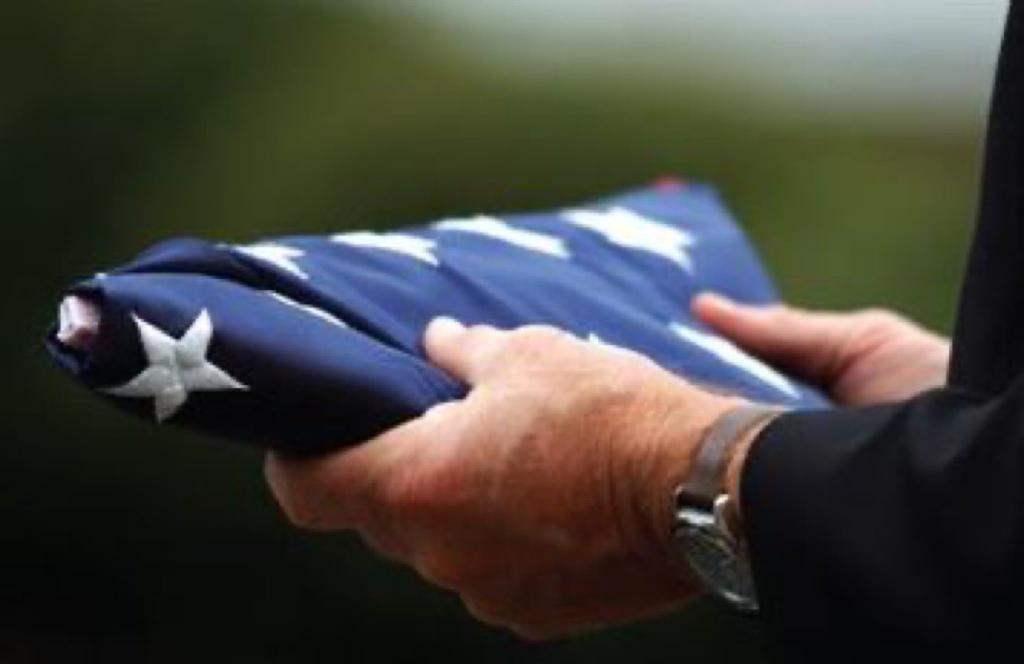
He survived the Holocaust—then held a hill alone against hundreds of enemy soldiers. His antisemitic sergeant made sure he received no medal for fifty-five years.
**Tibor Rubin**, a 21-year-old corporal, crouched alone on a ridgeline in the dark, rifle tight in his hands. His unit had been ordered to retreat. Someone had to stay behind to cover their escape.
His sergeant volunteered him. Again.
As enemy movement rustled through the night, Rubin wasn’t thinking about the injustice. He was thinking about a promise—one he had made five years earlier, after being given his life back.
To understand why an immigrant would face impossible odds alone, you have to go back to **Mauthausen**.
Rubin was thirteen when the Nazis came to his town in Hungary. Jewish in 1944 meant marked for death. He was sent to Mauthausen—one of the regime’s most brutal camps. For fourteen months he survived on potato peels and willpower, watching people die daily from starvation, disease, and murder.
On May 5, 1945, American soldiers arrived.
They looked like giants to the skeletal prisoners. They fed him. They spoke to him like a human being. At sixteen, Rubin made a vow: if he reached America, he would join the U.S. Army and repay the debt.
He kept it.
He immigrated in 1948. In 1950, barely speaking English, he enlisted and volunteered for combat. Assigned to the **8th Cavalry Regiment**, **1st Cavalry Division**, he met Sergeant Artice Watson—openly antisemitic, contemptuous of the Hungarian Jewish immigrant.
Dangerous patrol? Rubin.
Impossible position? Rubin.
The men knew. These were suicide missions. Rubin survived anyway.
In July 1950, when the unit had to pull back, Watson again sent Rubin. Waves of North Korean troops attacked. Rubin fought alone for twenty-four hours—running between foxholes, firing, throwing grenades, making enough noise to sound like a platoon. He held the ridge until his unit escaped. Every one of his comrades lived because of him.
In October 1950, during the Chinese offensive at Unsan, Rubin was captured and marched north to a POW camp the soldiers called Camp 5—a death camp in all but name. Temperatures plunged. Food vanished. Men died of “give-up-itis.”
Rubin had seen this before.
At night, under threat of execution, he slipped past guards to steal food from supply sheds and brought it back to the dying. He cleaned infected wounds using maggots to save limbs—a method learned in the camps. He bullied men into living. He joked. He reminded them of home.
For thirty months, he kept others alive. Fellow prisoners later testified he saved at least forty men.
When the war ended, Rubin came home. Witness statements were written. Recommendations filed.
Then they disappeared.
The paperwork had passed through the hands of the same sergeant who had tried to get him killed. Rubin received nothing. He didn’t complain. He became a shoemaker in California, raised a family, and lived quietly—free, which was all he had ever wanted.
The men he saved never forgot.
Decades later, they pushed for a review. In the early 2000s, the Army reopened cases where discrimination may have denied honors. Testimony poured in. Records resurfaced. The truth was undeniable.
In September 23, 2005. The White House East Room. Rubin, 76, stood as **George W. Bush** read the citation and placed the **Medal of Honor** around his neck fifty-five years late.
Rubin wept.
“I didn’t do it for medals,” he said. “America saved my life. I promised to pay it back. And I couldn’t watch others die.”
He survived two hells Mauthausen and Camp 5 and kept his humanity through both. Antisemitism tried to kill him, then tried to erase him. It failed.
Tibor “Ted” Rubin died in 2015 at 86, buried with full military honors at Riverside National Cemetery
His life proves this: courage doesn’t come from ease. Sometimes it comes from surviving the worst and refusing to let others suffer the same fate.
In Album: Jimmy's Timeline Photos
Dimension:
425 x 474
File Size:
21.51 Kb


Like (1)
Loading...
Jimmy
With my upmost respect sir 🫡 🙏