We must also understand, they who repealed the McCarran-Walter Act, like the Satan-worshipping sodomite child-raping demon-possessed Muslim cult itself, were also as toddlers cult-sodomized demon-possessed - of unrepentant Gog’s other interloping cults, primarily of the Christ-killing Anti-Christ Au... View MoreWe must also understand, they who repealed the McCarran-Walter Act, like the Satan-worshipping sodomite child-raping demon-possessed Muslim cult itself, were also as toddlers cult-sodomized demon-possessed - of unrepentant Gog’s other interloping cults, primarily of the Christ-killing Anti-Christ Author of Fascism’s Marian and Talmud cults: of the king-pope Beast faction we “whigs” founded Repentant Christian USA in Holy God/JC as King, to escape.
Illegal; and, organized openly by unrepentant Gog to enslave us - IN PRINT:
ISBN-13 978-1555861995 - for invasion for conquest of “whig-founded,” viz. “anti-Roman Catholic,” Repentant Christian “E Pluribus Unum” USA, Holy God’s prophesied by all ten signs in the Holy Bible, the “Promised Land” “of ... View MoreIllegal; and, organized openly by unrepentant Gog to enslave us - IN PRINT:
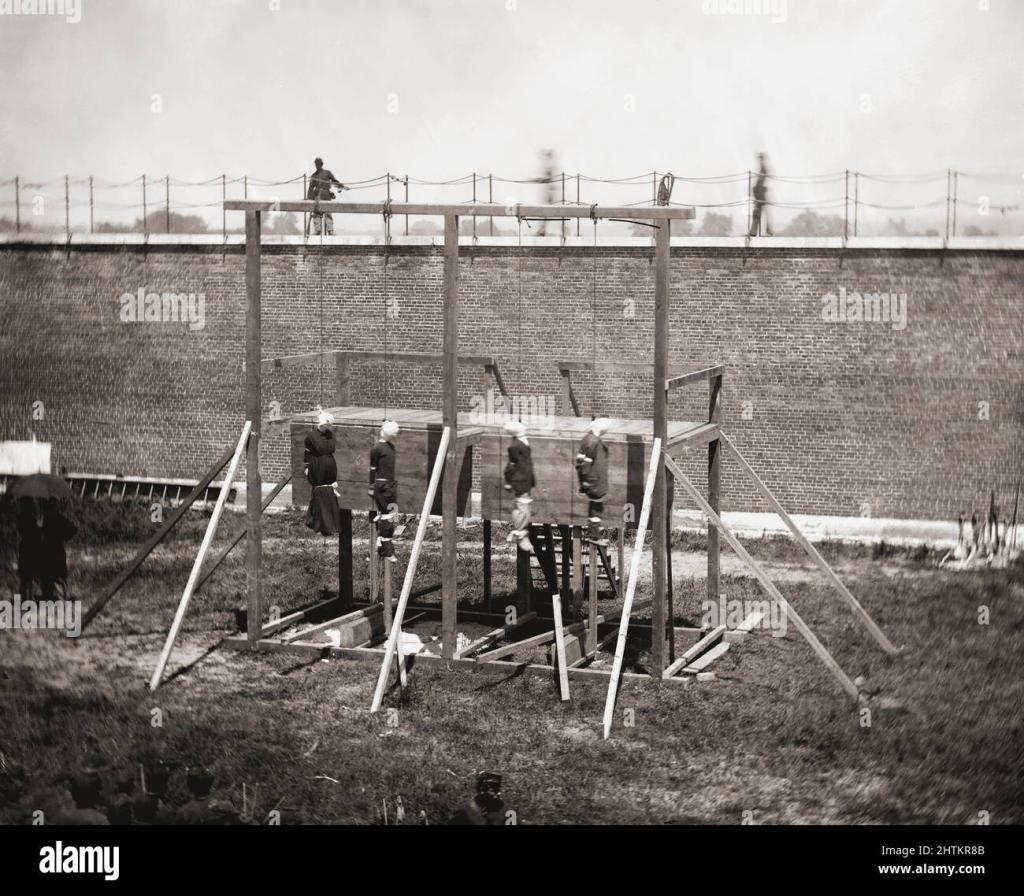
ISBN-13 978-1555861995 - for invasion for conquest of “whig-founded,” viz. “anti-Roman Catholic,” Repentant Christian “E Pluribus Unum” USA, Holy God’s prophesied by all ten signs in the Holy Bible, the “Promised Land” “of unwalled villages” “attacked by Gog,” the “New Israel”/“Regathered Israel/Israel Restored” - BY UNREPENTANT GOG’S IDENTICAL CHRIST-KILLING ANTI-CHRIST AUTHOR OF FASCISM “ENGINE FOR ENSLAVING MANKIND” WE ESCAPED IN MORTAL COMBAT - whose identical cult-sodomized demon-possessed Fifth Column we hanged ‘en masse’ for assassinating the charitable Mr. Lincoln.
Satan’s demon-possessed Fifth Column of unrepentant victims of priest-, rabbi-, imam- and shaman-sodomy as toddlers - possessed by disembodied souls from Hell usurping government, culture and society, is much larger now, centered on the Dem/RINO uniparty and Hollywood Babylon.
Thank God we all soon “Annuit Coeptis” - divine Providence blesses our righteous endeavors - wake up and are soon redeemed, as Our Holy King, Sovereign, Father, Savior and Provider ordains. Ezek. 39
In God we trust.
Death for Treason
There is only one God, Creator of Existence.
Repentant Christian USA is one People under the one Deity, Creator, Jesus Christ Who led us here.
E Pluribus Unum - Annuit Coeptis.... View MoreThere is only one God, Creator of Existence.
Repentant Christian USA is one People under the one Deity, Creator, Jesus Christ Who led us here.
E Pluribus Unum - Annuit Coeptis.
Remove the cancer.
Allah is Satan - the Globalists’ god.
Know - and dispel - thine enemy. They are unrepentant Gog, cult-sodomized as toddlers generationally possessed by disembodied souls from Hell. Ezek. 38:11 viz. “demonically introjected.”
All Gog’s demon-possessed are in cult psychosis. All Satanic cults and ethnocults shall soon be gone, as the Deity our King, Holy God/JC, ordains. Ezek. 39