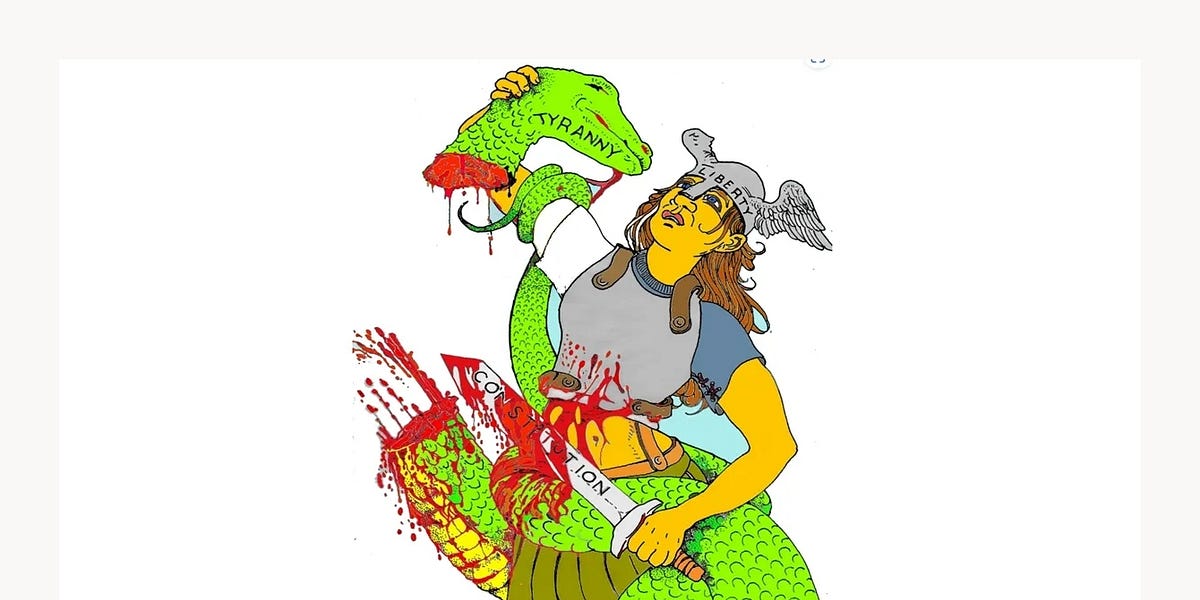
“No Kings” I couldn’t agree more that there must be no kings in the United States. Of course, the name doesn’t describe the protests, just like the name “antifa” is the opposite of actions of the grou... View More


Like (1)
Loading...
The Federalist Papers provide numerous historical examples and reasons for the outbreak of wars, emphasizing the dangers posed by ambition, jealousy, commercial competition, territorial disputes, and ... View More

The Federalist Papers: Historical Reasons to Start Wars
The Federalist Papers discuss various historical reasons nations have entered into wars.

Never was taught about them I don’t think. But I downloaded them from Apple book app
How the Constitution Promotes Better International Relationships
The Federalist Papers argue that the new Constitution promotes better relationships with foreign nations by creating a unified and res... View More
The Federalist Papers and Foreign Relations
How the Constitution Promotes Better International Relationships
The Federalist Papers offer a nuanced explanation of the difference between a democracy and a republic. They warn against the instability and dangers of pure democracy, advocating instead for a repres... View More

Distinguishing Democracy from Republic as described in Federalist Papers
Insights from America's Founding Fathers
“We are close to total national humiliation. We have experienced nearly everything that can wound the pride or degrade the character of an independent nation.” Federalist Paper #15 [paragraph 3]
Re... View More
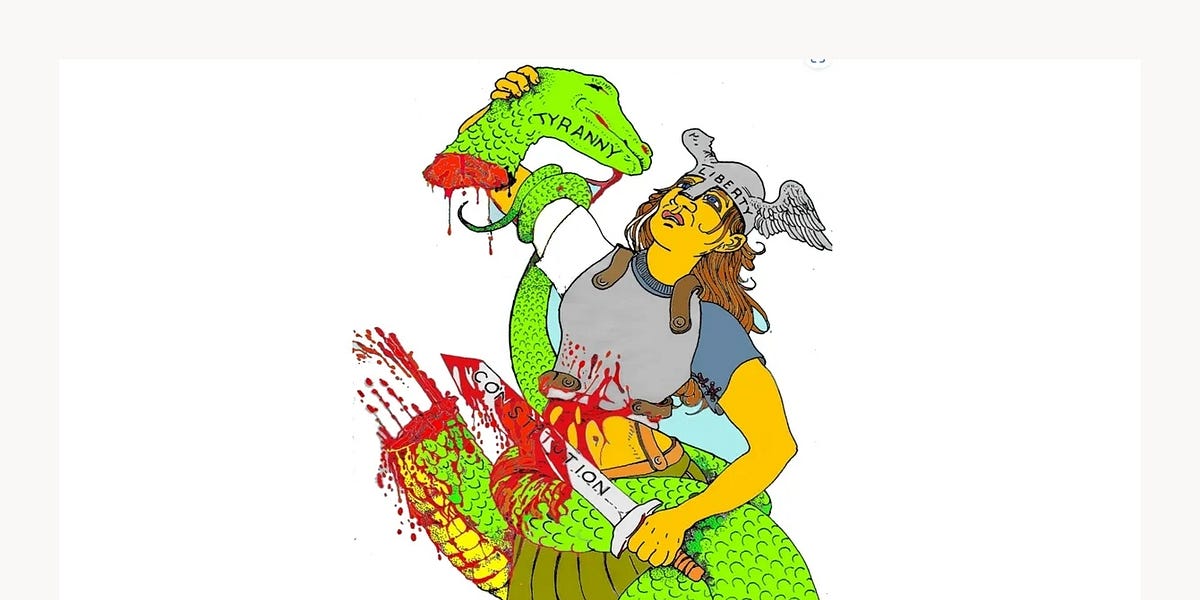
Nation Near Collapse Under Articles of Confederation
The Federalist Papers Critique America’s First Government
The Federalist Papers present an acute analysis of human behavior in political collectives—specifically, how large groups of people, stirred by emotion, can be swayed by passions and devolve into mob-... View More

How Passions can Transform a Group into a Mob, The Federalist Papers
The Federalist Papers present an acute analysis of human behavior in political collectives—specifically, how large groups of people, stirred by emotion, can be swayed by passions and devolve into mob-